

As a parent, nothing matters more than your child’s health, and that includes their vision. If your child squints at the TV, holds books unusually close, or struggles to see the board at school, you may be noticing signs of myopia — more commonly known as short-sightedness. Myopia is increasingly common among children, and early detection is crucial to prevent long-term vision problems.
For families across the UK, Home Direct Eye Care offers a practical solution: professional, at-home eye testing. Bringing the optician directly to your doorstep means your child can be assessed in a comfortable, familiar environment — no stressful trips to busy clinics, no long waits, and no disruption to your day.
In this guide, we’ll explore what causes myopia in children, how it can be controlled, and practical ways parents can monitor their child’s eye health at home. We’ll also explain how Home Direct Eye Care makes the process simple, safe, and effective.
Understanding Myopia in Children
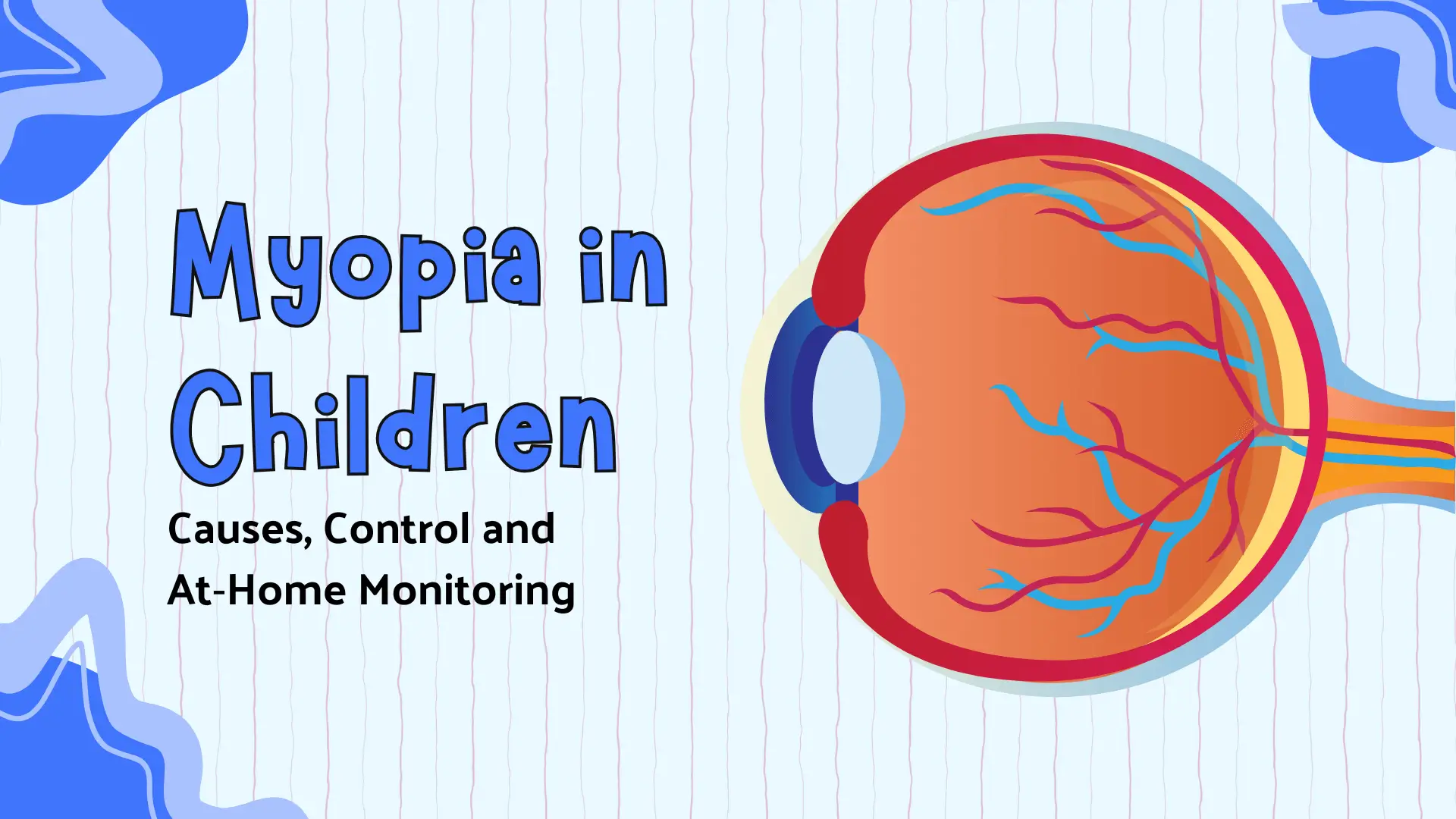
Myopia occurs when the eye grows too long from front to back, causing light to focus in front of the retina instead of directly on it. This results in blurred distance vision while near vision remains clear. Children with myopia may often:
- Squint or rub their eyes when trying to see far away
- Sit too close to the television or computer
- Hold books or devices very close to their face
- Complain of headaches or eye strain
The earlier myopia is detected, the easier it is to manage and control its progression. This is why regular eye checks are so important, especially for growing children.
Causes of Myopia in Children
Several factors can contribute to the development of myopia:
- Genetics – Children with one or both parents who are short-sighted are more likely to develop myopia.
- Visual habits – Excessive near work, like reading, drawing, or screen time, can increase the risk.
- Lack of outdoor time – Studies have shown that children who spend more time outdoors in natural light are less likely to develop myopia.
- Environmental factors – Poor lighting, small reading spaces, and prolonged use of digital devices can strain developing eyes.
While genetics can’t be changed, controlling environmental factors and monitoring eye health can significantly reduce risks.
How Myopia Can Be Controlled
Controlling myopia is not just about improving vision with glasses. Early intervention can slow the progression of short-sightedness and reduce the risk of future eye complications.
1. Prescription Glasses or Contact Lenses
Corrective lenses remain the most common solution. Glasses tailored to your child’s prescription provide clear vision immediately and reduce eye strain. Home Direct Eye Care offers professional eye testing in your home to ensure an accurate prescription is provided, with no need for a clinic visit. Learn more about the process here.
2. Lifestyle Adjustments
Simple changes can have a significant impact:
- Encourage outdoor activities daily
- Limit continuous screen time and near work
- Ensure proper lighting for reading and homework
- Maintain regular eye breaks during close-up tasks
3. Specialty Myopia Control Treatments
For children with rapidly progressing myopia, opticians may recommend:
- Orthokeratology (Ortho-K) lenses worn overnight
- Low-dose atropine eye drops
- Multifocal contact lenses
Home Direct Eye Care’s professional team can advise parents on available options and discuss suitability during an in-home consultation.
The Importance of Regular Eye Tests
Children’s eyes can change quickly, especially during growth spurts. Regular eye testing helps detect myopia early and track its progression. Home Direct Eye Care provides a convenient solution:
- Professional assessments at home – No stressful clinic trips or waiting rooms
- Safe and hygienic service – Particularly beneficial for children and those with limited mobility
- Expert advice – Opticians explain results in simple language and offer practical guidance for care
UK residents can even access free NHS home eye tests for eligible children, ensuring no financial barrier prevents proper eye care. Check NHS eligibility here.
How Parents Can Monitor Myopia at Home
While professional testing is essential, parents can take proactive steps to monitor their child’s vision between appointments:
Step-by-Step Home Checklist
- Observe daily habits – Take note if your child squints, leans close to objects, or complains about blurry distance vision.
- Monitor screen time – Encourage frequent breaks (every 20–30 minutes) during reading or device use.
- Encourage outdoor activities – Aim for at least 1–2 hours outdoors daily in natural light.
- Check posture and lighting – Make sure reading and homework areas are well-lit and comfortable.
- Keep a vision diary – Track changes in behaviour, complaints, or signs of eye strain.
When to Book a Home Eye Test
If you notice any of the following signs, it’s time to schedule an in-home assessment:
- Sudden squinting or rubbing of eyes
- Complaints of blurred distance vision
- Headaches or eye discomfort after reading or screen use
- Difficulty keeping up with classroom learning
With Home Direct Eye Care, booking a home visit is easy, and the team brings all necessary equipment to provide a professional eye test without leaving your home.
Special Considerations for Children with Additional Needs
Children with autism, learning disabilities, or other sensory sensitivities may find traditional eye clinics stressful. Home Direct Eye Care has extensive experience conducting eye tests at home for children with special needs, ensuring a calm, patient, and supportive approach. You can read more about this service here.
Practical Tips for Healthy Vision
Maintaining eye health is an ongoing effort. Here are some practical tips for parents:
- Balanced diet – Include fruits, vegetables, and foods rich in vitamins A, C, and E.
- Limit screen glare – Adjust device brightness and distance to reduce eye strain.
- Protect eyes outdoors – Encourage hats and sunglasses during sunny days.
- Consistent eye tests – Schedule regular in-home assessments, especially if myopia is progressing.
These small steps, combined with professional oversight, help children maintain healthy vision and reduce the risk of complications in the future.
FAQs About Myopia in Children
Q: At what age should my child have their first eye test?
A: Children in the UK should have their first eye test by age 4 or sooner if you notice signs of vision problems. Home Direct Eye Care can carry out these tests conveniently at home.
Q: Can myopia get worse over time?
A: Yes, myopia often progresses during childhood and adolescence. Regular monitoring and early interventions can slow its progression.
Q: Are home eye tests reliable?
A: Absolutely. Home Direct Eye Care uses the same professional equipment and techniques as traditional clinics, with the added comfort of being in your own home.
Q: How often should my child’s eyes be checked?
A: Generally, every 12 months, or sooner if your optician notices rapid changes in vision.
Q: Are NHS home eye tests free for children?
A: Eligible children can receive a free NHS home eye test. Details can be checked here.
Why Choose Home Direct Eye Care
For busy families, seniors, or children with special needs, Home Direct Eye Care offers unparalleled convenience:
- Mobile optician services across the UK – Professional eye care brought to your doorstep.
- Comfort and familiarity – Children and elderly patients can relax in their own environment.
- Trusted, expert care – Opticians explain results clearly and offer guidance for ongoing eye health.
No need to navigate crowded clinics or worry about mobility issues. Home Direct Eye Care makes it simple, safe, and stress-free to maintain your family’s eye health.
Take the Next Step for Your Child’s Vision
Protecting your child’s eyesight starts with early detection and proactive care. Whether you’re concerned about squinting, blurry vision, or general eye health, Home Direct Eye Care brings expert optician services directly to your home.
Book your free NHS home eye test today and experience the convenience, comfort, and professionalism of at-home eye care across the UK. Visit Home Direct Eye Care to schedule your appointment and take the first step toward safeguarding your child’s vision.
1 thought on “Myopia in Children: Causes, Control and At‑Home Monitoring”
This might be the most useful article I’ve read all month! I’ve been looking for practical advice on this topic that actually feels realistic and achievable, and you delivered exactly that. I love that you didn’t promise overnight success or magic solutions – your honesty about the process and what it actually takes is refreshing. The resources section at the end is also incredibly helpful. I’ve bookmarked this to come back to whenever I need a reminder or refresh!