


Children & families
Myopia in children: eye tests and next steps
If your child struggles to see things in the distance, an eye test can check for short-sightedness and help you understand the options.
Read the guide ↗Answers for patients, families and carers, plus clearly labelled research archives.
32 articles
If your child struggles to see things in the distance, an eye test can check for short-sightedness and help you understand the options.
Read the guide ↗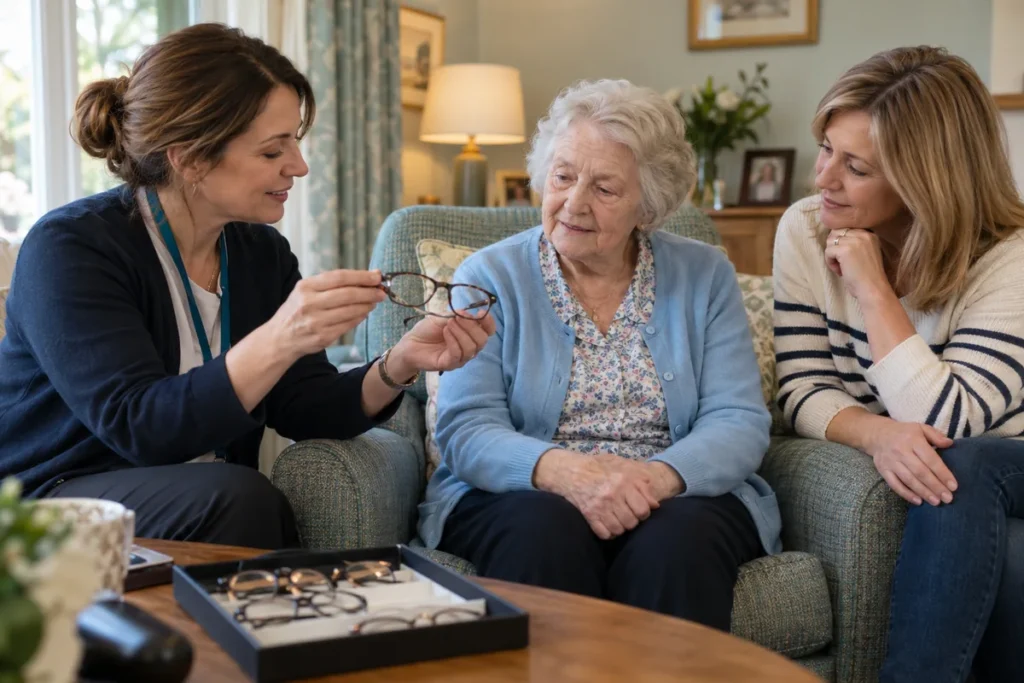
A familiar setting and thoughtful adjustments can make eye care easier for a person living with dementia and those supporting them.
Read the guide ↗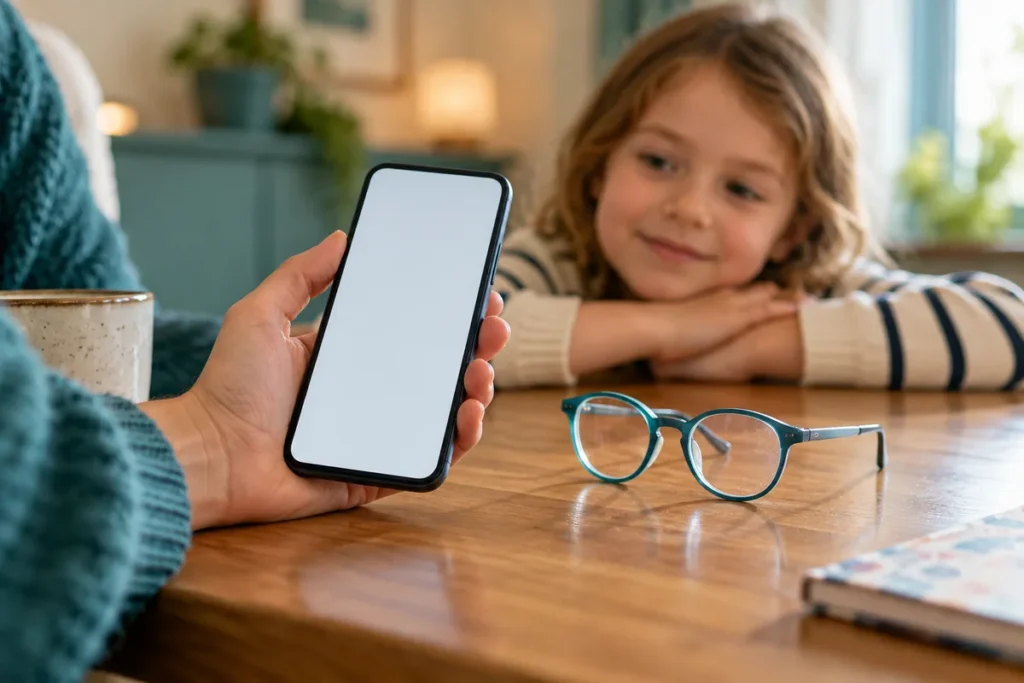
Phone-based screening tools can help you notice something worth discussing. A professional eye examination provides the clinical assessment of your child’s vision and eye health.
Read the guide ↗
Short breaks, a comfortable workstation and the right prescription can help when screen work leaves your eyes feeling tired.
Read the guide ↗
Long-sightedness and age-related focusing changes can both affect near tasks. Understanding the difference helps you choose suitable vision support.
Read the guide ↗
If you have diabetes, routine sight tests and NHS diabetic eye screening both matter. They serve different purposes.
Read the guide ↗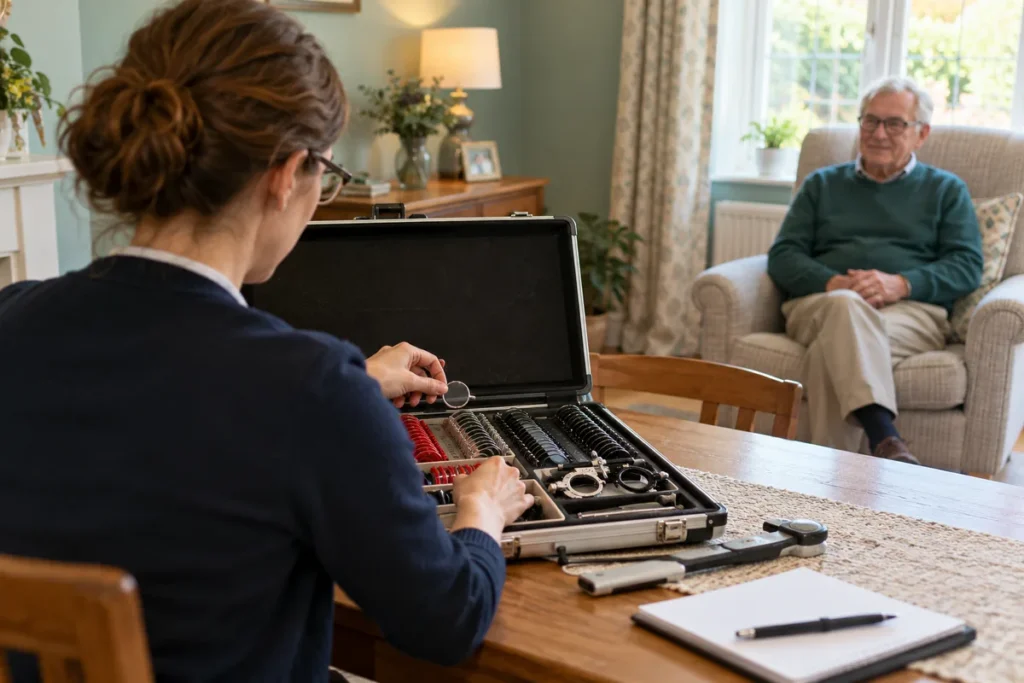
A home eye test brings professional sight testing to a familiar setting. Here is how to prepare and what to expect.
Read the guide ↗
The right setting depends on access, personal needs and the assessment required. Here is what to consider before booking.
Read the guide ↗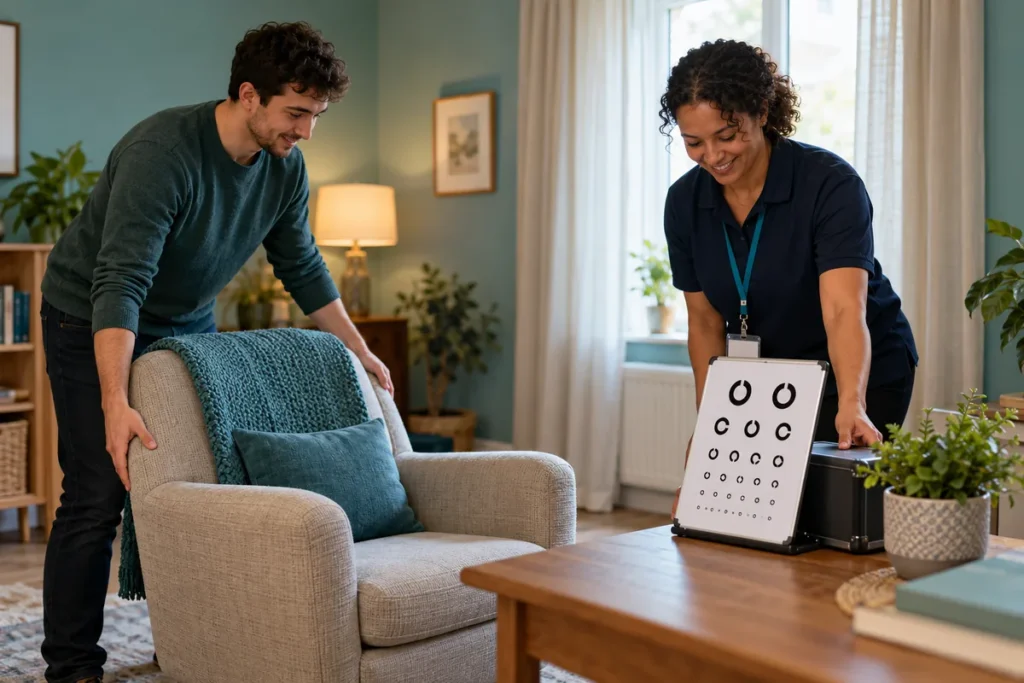
The most useful preparation starts with the person’s own preferences: what feels comfortable, what is difficult and how they want to communicate.
Read the guide ↗
Changes in vision can affect reading, familiar activities and confidence. Planning an eye test should include the resident’s needs and preferences.
Read the guide ↗
Domiciliary eye care means an optometrist visits a home or care setting. It can help when attending an optician is difficult.
Read the guide ↗
An eye test is a helpful next step for persistent changes in vision or comfort. Sudden symptoms deserve prompt professional attention.
Read the guide ↗
The main difference in price depends on whether you meet NHS funding criteria. Understand the test fee before you book.
Read the guide ↗
Our friendly team can help you understand both sight-test funding and NHS home-visit support.
Read the guide ↗
Find out how NHS home-visit funding works, how to check Lancashire coverage and what to prepare before booking.
Read the guide ↗
Checking a child’s vision is a useful part of understanding reading difficulties and finding the right support.
Read the guide ↗
An app can be a helpful starting point for a conversation. Professional assessment provides the diagnosis and guidance for changes in your eye health.
Read the guide ↗
Public awareness stories can start useful conversations. The next step is to seek appropriate advice about your own vision.
Read the guide ↗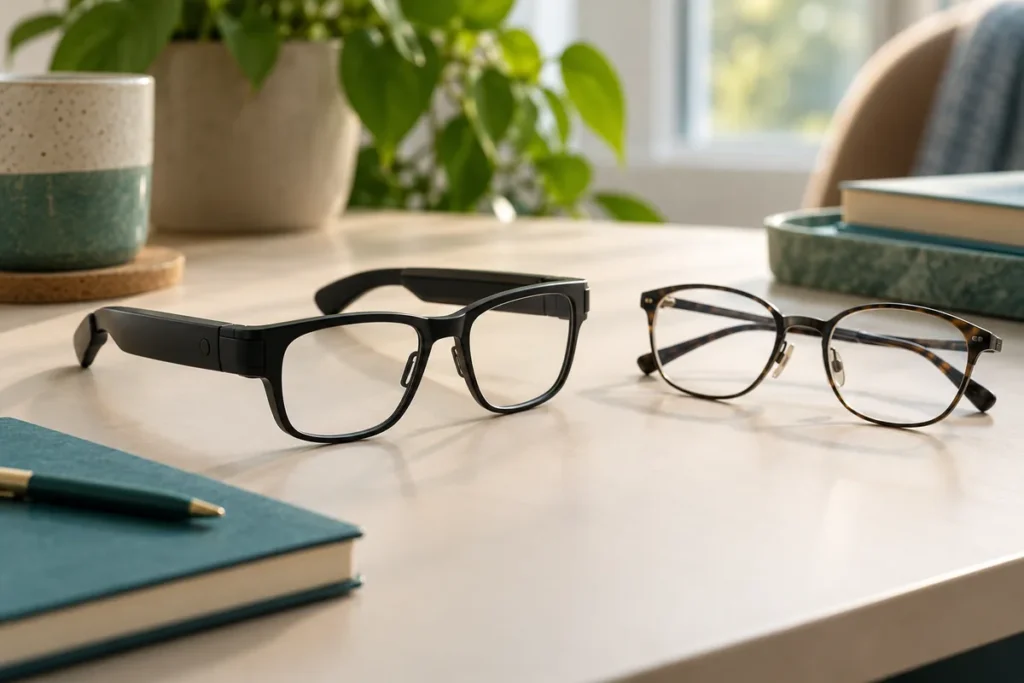
Wearable technology and prescription spectacles can serve very different purposes. Check what a device is designed to do before buying.
Read the guide ↗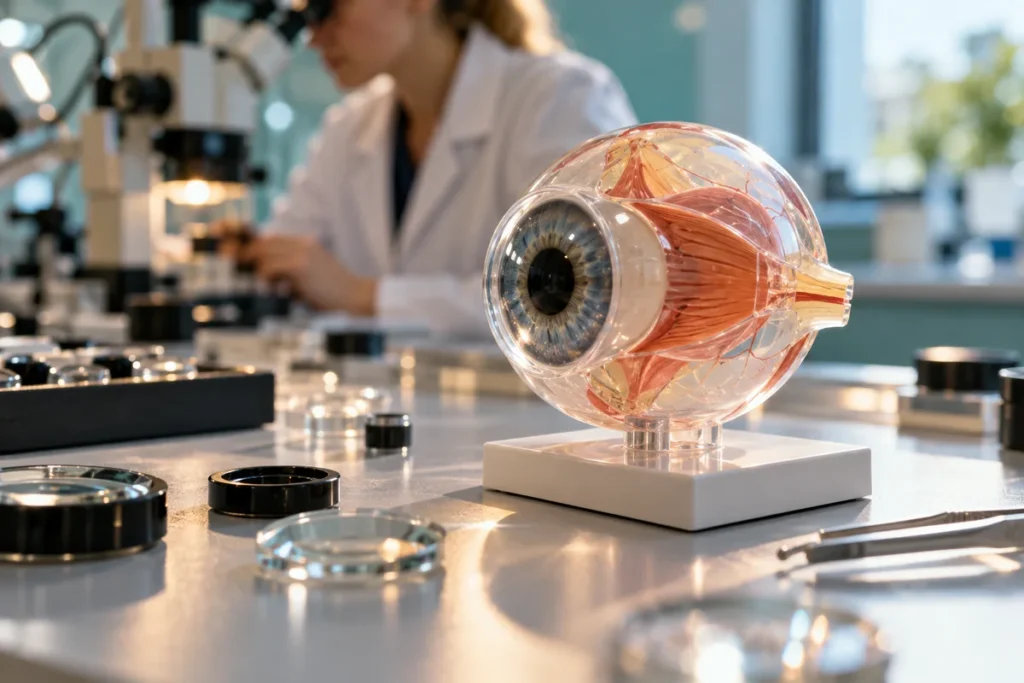
Laboratory eye models help researchers explore optical technology. For personal vision concerns, a clinical eye examination provides the assessment and care advice.
Read the guide ↗
Adjustable-focus glasses are an interesting research area. An optometrist can explain established prescription options for your current needs.
Read the guide ↗
Sensor-enabled contact lenses are a research topic. They are different from the prescription lenses most patients use every day.
Read the guide ↗
Artificial-eye systems are an active laboratory research topic. Individual sight care continues to be guided by clinical assessment and specialist advice.
Read the guide ↗
This 2021 sensor-mask study offers a look at wearable research. For current eye-care services, explore our home sight-test and NHS funding guides.
Read the guide ↗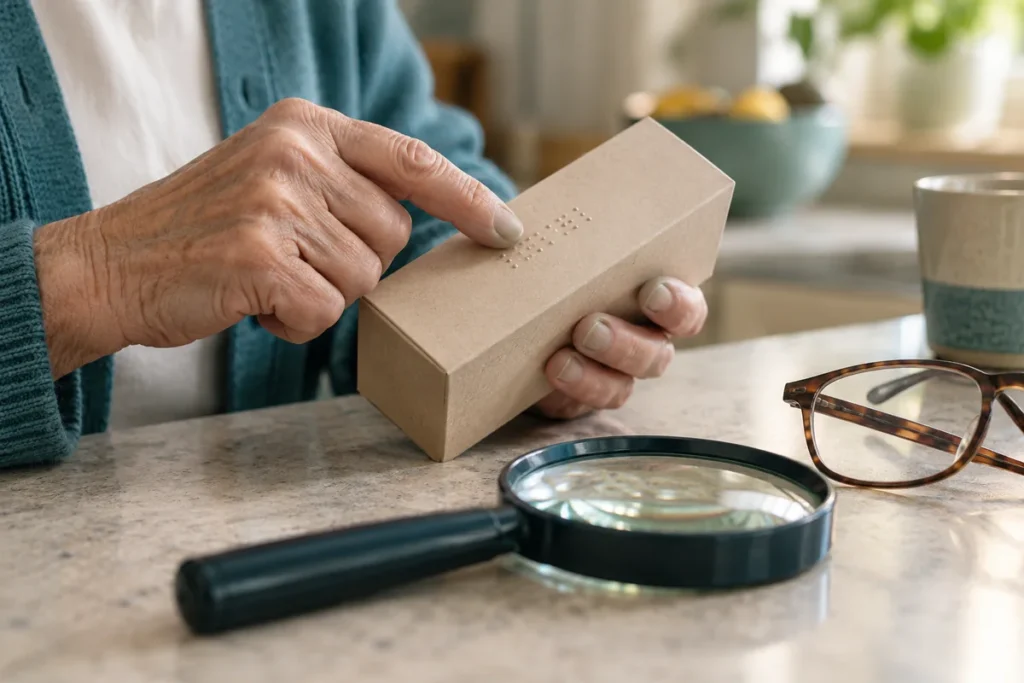
Clearer packaging and accessible information can help people with sight loss use everyday products more independently.
Read the guide ↗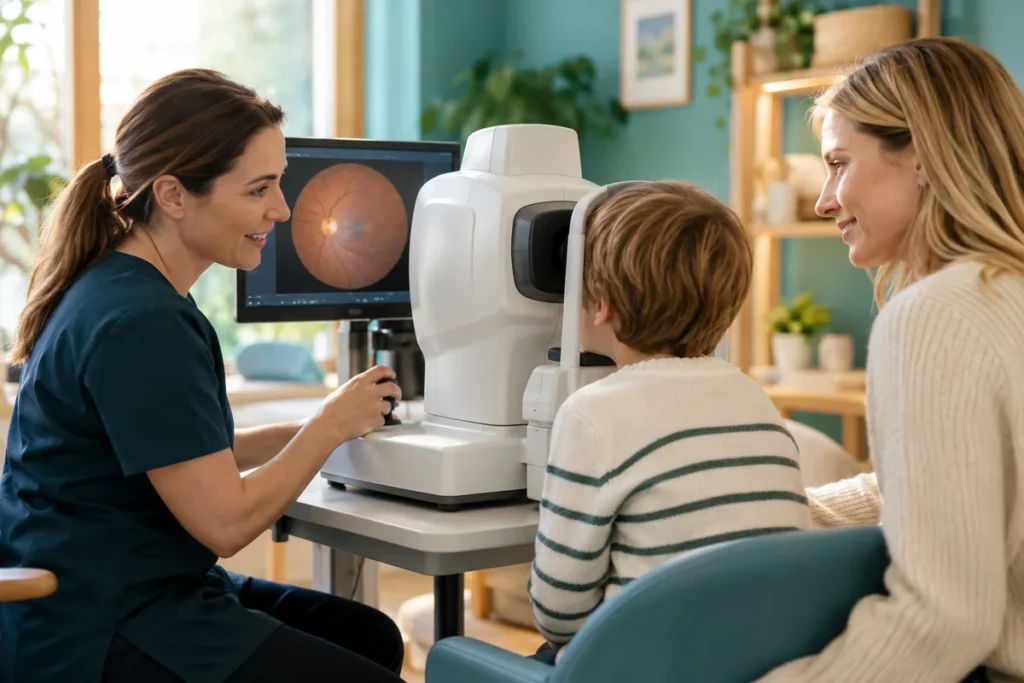
Specialist imaging can provide detailed information about children’s eyes. Ask us which assessment best fits your child’s needs and the appointment setting.
Read the guide ↗
Research into age-related macular degeneration continues, but treatment depends on the type of condition and individual assessment.
Read the guide ↗
Cataracts cloud the natural lens inside the eye. An optician can assess changes in vision and discuss whether further referral is needed.
Read the guide ↗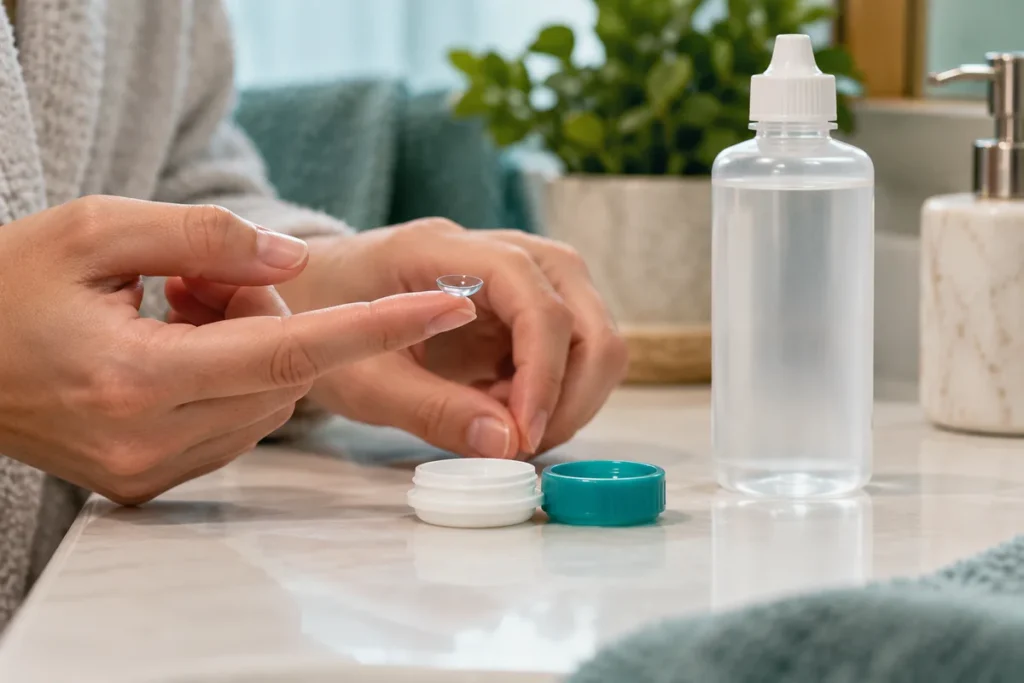
Contact-lens choices depend on your prescription, eyes and everyday needs. Professional fitting and aftercare matter more than a technology headline.
Read the guide ↗
Research can be promising without being ready for everyday patient care. A few questions can put a headline in context.
Read the guide ↗
Useful eye-care habits start with practical steps and knowing when professional advice is needed.
Read the guide ↗
A balanced diet supports general wellbeing. Regular eye care and professional advice help you understand cataracts and your own vision needs.
Read the guide ↗Explore another topic or try a different search word.
Choose an appointment online. Receive confirmation by email.
Prefer to talk? 0800 634 9723
Monday–Saturday, 9am–5.30pm